






The Meaning of “Epic”: How an Ancient Word Became Modern Slang
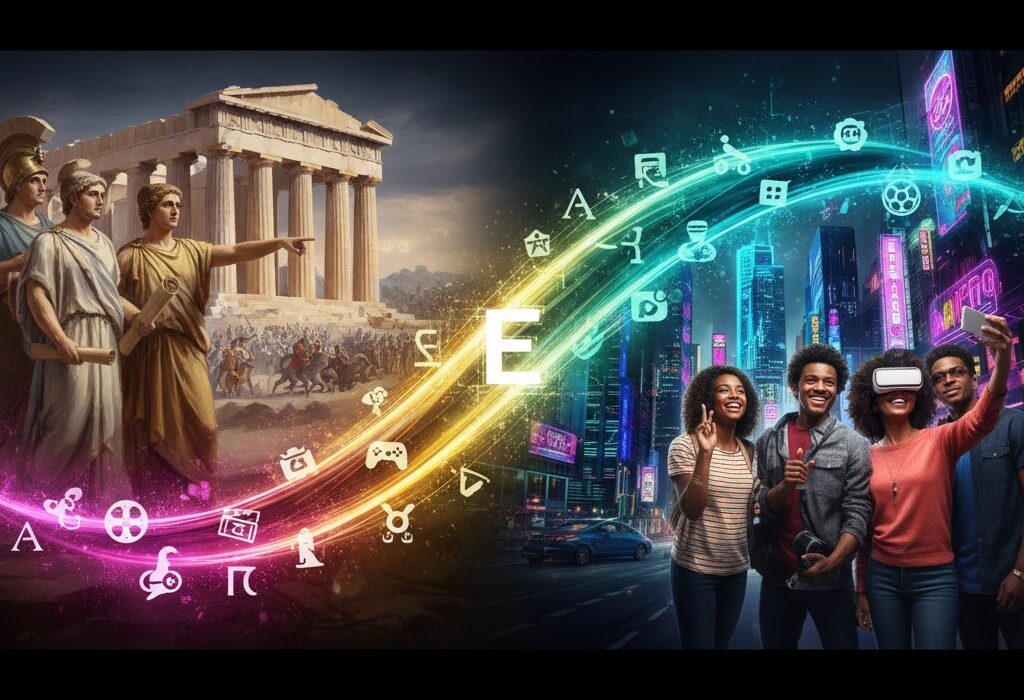
The word “epic” has traveled a long way through history, evolving from a literary term rooted in ancient storytelling to one of the most popular expressions in modern language. What once described heroic poems and legendary battles is now commonly used to label everyday moments that feel unforgettable, exciting, or impressive.
Table of Contents
ToggleEpic in Ancient History and Literature
Originally, the term epic referred to lengthy narrative poems that told the stories of heroic figures, monumental journeys, and moral struggles. Some of the earliest examples include Homer’s The Iliad and The Epic of Gilgamesh—works that shaped early civilizations and preserved cultural values. These classic epics focused on courage, sacrifice, honor, and the struggle between humans and powerful forces such as gods, fate, or nature.
In this traditional sense, an epic wasn’t just a story—it was a grand account of human resilience and meaning, often passed down orally before being written. The scale, emotion, and lasting impact of these tales defined what “epic” truly meant for centuries.
The Modern Meaning of Epic
Today, epic has taken on a broader and more casual meaning. In everyday conversation, especially online, the word is used to describe anything that feels outstanding or memorable. From viral videos and video game victories to concerts, vacations, or personal achievements, “epic” has become shorthand for experiences that leave a strong impression.
You’ll often hear phrases like “That game was epic” or “We had an epic trip.” In these cases, the word no longer refers to length or historical importance—it highlights emotional impact, excitement, and shared enjoyment.
Why the Word “Epic” Still Works
Despite its modern twist, the core idea behind epic hasn’t changed much. Whether describing ancient heroes or present-day moments, the word continues to celebrate experiences that feel larger than life. Both uses focus on intensity, emotion, and storytelling—just expressed in different ways.
Language naturally evolves alongside culture, technology, and social habits. As people share moments instantly through social media, words like “epic” adapt to capture excitement quickly and vividly.
Epic as a Cultural Bridge
The continued popularity of the word epic shows how language connects past and present. It bridges ancient myths and modern memories, reminding us that humans have always sought powerful ways to describe moments that matter.
So the next time someone calls an experience “epic,” remember—you’re hearing a word with thousands of years of history behind it, still doing what it’s always done best: highlighting the extraordinary in human life.
FAQs:
What does the word “epic” mean?
Epic means something extraordinary, impressive, or unforgettable, often creating a strong emotional impact.
Where does the word “epic” come from?
The word originates from ancient Greek and was used to describe long narrative poems about heroic deeds.
What is an epic in literature?
In literature, an epic is a lengthy poem that tells the story of a hero’s journey, battles, and moral struggles.
How is “epic” used in modern slang?
Today, epic is used informally to describe exciting events, experiences, or achievements.
Is the modern meaning of epic different from the original?
Yes, modern usage is more casual, but both meanings emphasize intensity and significance.
Why is the word epic so popular online?
Epic is popular because it quickly expresses excitement and is easy to use in social media and gaming culture.
Can everyday moments be called epic?
Yes, people often call personal experiences epic if they feel memorable or impactful.
Is epic a positive word?
Most of the time, epic is used positively to praise something impressive or enjoyable.