






Skipjack Tuna: Everything You Need to Know About This Vital Ocean Species
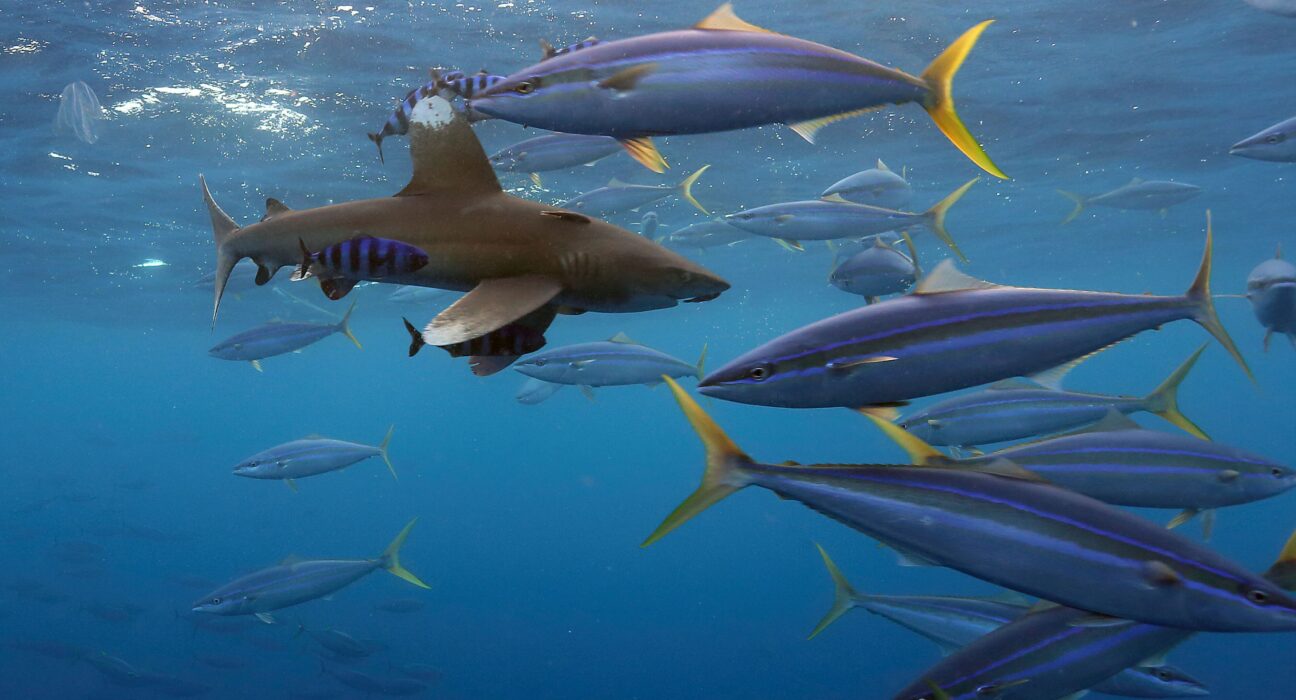
Skipjack tuna play a major role in both the global seafood industry and the health of our oceans. As the most widely caught tuna species in the world, they support millions of livelihoods while also serving as a key predator in marine ecosystems. This guide explores skipjack tuna’s characteristics, habitat, conservation status, threats, and the efforts underway to protect them.
Table of Contents
ToggleWhat Is Skipjack Tuna?
Skipjack tuna (Katsuwonus pelamis) are the smallest and most abundant of the major commercial tuna species. They are easily recognized by their streamlined, mostly scaleless bodies and distinctive coloring.
Key Physical Characteristics
- Dark purple-blue back
- Silver sides and belly
- Four to six dark horizontal stripes along the lower body
- Can grow up to 3 feet in length
- Weigh up to 40 pounds
- Lifespan of 8–10 years
Their sleek shape allows them to swim quickly and efficiently, making them highly adapted predators in open-ocean environments.
Where Do Skipjack Tuna Live?
Skipjack tuna are found primarily in tropical and subtropical oceans around the world.
Habitat & Distribution
- Atlantic Ocean
- Indian Ocean
- Pacific Ocean
- Most abundant near the equator
They exhibit distinct daily movement patterns:
- Swim close to the surface at night
- Dive as deep as 850 feet during the day
Large schools of adult skipjack often swim alongside juvenile yellowfin and bigeye tuna, a behavior that has important implications for fishing and conservation.
Skipjack Tuna Facts at a Glance
| Category | Details |
|---|---|
| Scientific Name | Katsuwonus pelamis |
| Conservation Status | Least Concern |
| Maximum Size | Up to 3 feet |
| Maximum Weight | Around 40 pounds |
| Habitat | Open oceans |
| Reproduction | Breed year-round |
Why Skipjack Tuna Matter
Skipjack tuna are best known as the primary species used in canned tuna, making them a staple food source worldwide. However, their importance goes far beyond commercial value.
Ecological Importance
- Top predators in the marine food chain
- Help regulate populations of smaller fish and squid
- Contribute to a balanced and healthy ocean ecosystem
Economic Importance
- Support global fisheries and coastal communities
- Provide income and food security for millions of people
Healthy skipjack populations are essential for both marine biodiversity and human livelihoods.
Threats Facing Skipjack Tuna
Although skipjack tuna populations are currently considered stable, they are not free from risk.
Overfishing
Skipjack tuna are relatively resilient, but poor management and excessive fishing pressure could quickly push populations into a vulnerable state.
Bycatch
One of the most serious issues is bycatch:
- Juvenile yellowfin and bigeye tuna often school with adult skipjack
- Purse seine fishing targeting skipjack can unintentionally catch these younger tuna
- This threatens the long-term health of other tuna species
How WWF Is Working to Protect Skipjack Tuna
WWF recognizes that tuna are essential to the entire marine ecosystem and works globally to ensure sustainable management.
Key Conservation Actions
- Partnering with governments and regional fisheries management organizations
- Advocating for science-based catch limits and recovery plans
- Combating illegal and pirate fishing
- Reducing bycatch through improved fishing practices
Promoting Sustainable Tuna Fishing
WWF collaborates with:
- Marine Stewardship Council (MSC) to certify sustainable tuna fisheries
- International Seafood Sustainability Foundation (ISSF) to improve global tuna management
They also encourage retailers and consumers to:
- Choose MSC-certified tuna
- Support responsibly sourced seafood
- Raise awareness about sustainable fishing practices
Final Thoughts: Protecting Skipjack Tuna for the Future
Skipjack tuna are abundant today, but their future depends on responsible fishing and strong management. By supporting sustainable fisheries and informed consumer choices, we can help ensure that skipjack tuna continue to thrive, benefiting oceans, wildlife, and communities worldwide.