






ICD-10-CM Code B20: Human Immunodeficiency Virus (HIV) Disease
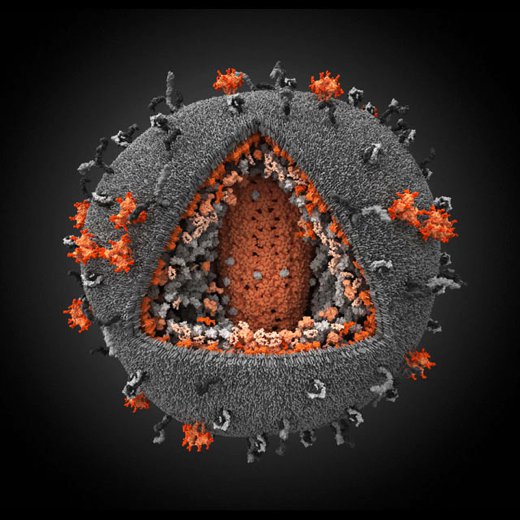
ICD-10-CM code B20 is used to document human immunodeficiency virus (HIV) disease, including symptomatic HIV infection and acquired immunodeficiency syndrome (AIDS). Accurate use of this code is essential for clinical documentation, reimbursement, public health reporting, and continuity of care.
Table of Contents
ToggleThis guide explains what B20 means, when it should be used, related ICD-10 codes, coding guidelines, and common errors to avoid, providing a practical reference for medical coders and healthcare professionals.
What Is ICD-10-CM Code B20?
B20 identifies patients who have a confirmed diagnosis of HIV disease and are experiencing symptoms, complications, or conditions related to HIV infection.
This code applies when:
- HIV infection is symptomatic, or
- The patient has AIDS or HIV-related illnesses, such as opportunistic infections
Key distinction: B20 is not used for asymptomatic HIV infection or HIV exposure.
Detailed Description of HIV Disease (B20)
HIV is a virus that attacks the immune system—specifically CD4 (T) lymphocytes, which are vital for fighting infections. Over time, untreated HIV progressively weakens immune function, increasing susceptibility to opportunistic infections and malignancies.
ICD-10-CM code B20 encompasses:
- Symptomatic HIV infection
- AIDS and AIDS-related complex (ARC)
- HIV-related conditions requiring treatment or monitoring
From a coding perspective, B20 communicates that HIV disease is clinically significant and actively impacts patient care during the encounter.
Common Symptoms Associated With B20
Symptoms of HIV disease vary depending on disease stage and immune suppression level. Common clinical manifestations include:
- Persistent or recurrent fever
- Chronic diarrhea
- Unintentional weight loss
- Severe fatigue
- Night sweats
- Generalized lymphadenopathy
- Persistent cough or shortness of breath
- Skin rashes or lesions
- Opportunistic infections (e.g., tuberculosis, candidiasis, pneumocystis pneumonia)
- Neurological complications (e.g., memory impairment, depression, neuropathy)
These symptoms reflect immune system compromise and support the medical necessity for using B20 when documented by the provider.
Related and Similar ICD-10-CM Codes
Correct HIV coding depends on clinical status and documentation. Commonly associated ICD-10 codes include:
| ICD-10 Code | Description |
|---|---|
| Z21 | Asymptomatic HIV infection status |
| R75 | Inconclusive laboratory evidence of HIV |
| B97.35 | HIV-2 as the cause of diseases classified elsewhere |
| Z20.6 | Contact with and suspected exposure to HIV |
| Z71.7 | HIV counseling |
Selecting the most accurate code improves data quality, reimbursement accuracy, and compliance.
Appropriate Use of B20 for Billing and Documentation
Use B20 when:
- The provider confirms HIV disease, and
- The patient is being treated for HIV-related conditions or complications
B20 should be reported when HIV affects clinical decision-making, treatment plans, or ongoing management during the encounter.
Coding Best Practices
- Assign B20 as the primary diagnosis when HIV disease is the main reason for care
- Report additional codes for specific HIV-related conditions (e.g., infections, malignancies)
- Do not use B20 for asymptomatic HIV status
Official Coding Guidelines and Instructional Notes for B20
When assigning ICD-10-CM code B20, follow these essential guidelines:
- Provider confirmation required: A documented diagnosis of HIV disease or HIV-related illness supports B20
- Documentation clarity: The medical record must clearly indicate symptomatic HIV
- Exclusion notes:
- Excludes Z21 (asymptomatic HIV infection)
- Excludes Z20.6 (HIV exposure)
- Excludes R75 (inconclusive HIV test results)
- Sequencing rules:
- List B20 first, followed by codes for related manifestations
Terms That Map to B20
- Acquired immunodeficiency syndrome (AIDS)
- AIDS-related complex (ARC)
- Symptomatic HIV infection
Common Coding Pitfalls With B20
Avoid these frequent errors to reduce denials and compliance risk:
- Using B20 without provider confirmation
- Insufficient documentation of HIV-related symptoms or conditions
- Incorrect sequencing, especially when HIV disease is the primary reason for care
- Ignoring exclusion notes, such as applying B20 to asymptomatic HIV patients
Accurate coding supports appropriate reimbursement and reduces audit exposure.
Key Resources for Accurate B20 Coding
Stay current and compliant by referencing authoritative resources:
- ICD-10-CM Official Guidelines for Coding and Reporting
- Centers for Medicare & Medicaid Services (CMS) manuals and updates
- AHIMA and AAPC education, coding clinics, and certifications
- ICD-10-CM codebooks and certified coding software
These tools help ensure consistent, accurate application of HIV-related codes.
Frequently Asked Questions (FAQs)
What does ICD-10-CM code B20 represent?
B20 represents human immunodeficiency virus (HIV) disease, including symptomatic HIV and AIDS.
When should B20 be used instead of Z21?
Use B20 when HIV is symptomatic or associated with related conditions. Use Z21 only for asymptomatic HIV infection.
Is B20 a billable ICD-10 code?
Yes. B20 is a billable and specific diagnosis code used for reimbursement and reporting.
Should opportunistic infections be coded with B20?
Yes. Code B20 first, followed by additional codes for opportunistic infections or HIV-related conditions.
Can B20 be used based on lab results alone?
No. A provider-documented diagnosis of HIV disease is required to assign B20.
Conclusion:
ICD-10-CM code B20 plays a critical role in documenting HIV disease and its clinical impact. Proper use ensures:
- Accurate clinical records
- Appropriate reimbursement
- Reliable public health data
- Improved care coordination
By understanding the definition, guidelines, related codes, and common pitfalls, healthcare professionals can confidently and correctly apply B20.