






Can Antibiotics Cause Insomnia? What You Need to Know
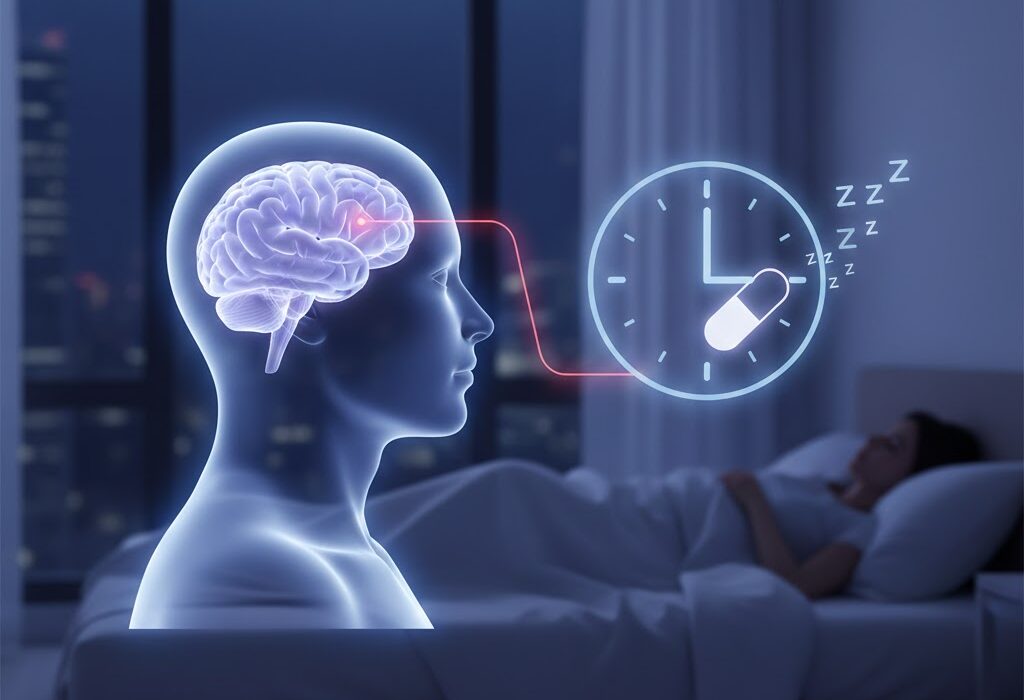
Antibiotics are essential, often life-saving medications—but for some people, they come with unexpected side effects. One question that comes up surprisingly often is: can antibiotics cause insomnia or sleep problems?
Table of Contents
ToggleShort answer: yes, certain antibiotics can interfere with sleep, either directly or indirectly. The good news is that this effect is usually temporary and manageable once you understand what’s going on.
This article explains how and why antibiotics may cause insomnia, which types are most commonly associated with sleep issues, what other factors may be at play, and what you can do to protect your sleep while recovering from an infection.
Read More: How Long Does Cannabis-Induced Anxiety Last?
What Is Insomnia?
Insomnia is a sleep disorder characterized by difficulty falling asleep, staying asleep, or waking up too early and feeling unrefreshed. It can be:
- Short-term (acute) – lasting days or weeks
- Long-term (chronic) – occurring at least 3 nights a week for 3 months or more
Symptoms may include:
- Trouble falling asleep
- Frequent nighttime awakenings
- Early morning waking
- Daytime fatigue, irritability, or brain fog
When insomnia begins shortly after starting a medication, it’s reasonable to consider a drug-related cause.
Can Antibiotics Cause Insomnia?
Yes, some antibiotics are known to cause insomnia or sleep disturbances, though this is not a universal side effect. Sleep problems may occur due to:
- Direct effects on the central nervous system
- Changes in gut bacteria that influence sleep-regulating neurotransmitters
- Stimulatory side effects such as anxiety, restlessness, or rapid heart rate
- Discomfort from other side effects like nausea, diarrhea, or headaches
Not everyone experiences this, but individuals who are sensitive to medications, have anxiety, or already struggle with sleep may be more affected.
Antibiotics Most Commonly Linked to Insomnia
Certain antibiotic classes are more frequently associated with sleep problems.
Fluoroquinolones
Examples:
- Ciprofloxacin
- Levofloxacin
- Moxifloxacin
These antibiotics can cross the blood–brain barrier and may cause:
- Insomnia
- Anxiety
- Restlessness
- Vivid dreams or nightmares
They are among the most commonly reported antibiotics linked to sleep disruption.
Macrolides
Examples:
- Azithromycin
- Clarithromycin
Possible effects include:
- Difficulty falling asleep
- Nighttime awakenings
- Gastrointestinal discomfort that interferes with rest
Metronidazole
Known side effects may include:
- Insomnia
- Headaches
- Neurological symptoms such as dizziness or tingling
Trimethoprim-Sulfamethoxazole (TMP-SMX)
In some individuals, this antibiotic may cause:
- Nervousness
- Sleep disturbances
- Mood changes
How Antibiotics Can Disrupt Sleep
1. Effects on Brain Chemistry
Some antibiotics influence GABA and glutamate, neurotransmitters that regulate calmness and sleep. Disruption can lead to heightened alertness instead of relaxation.
2. Gut Microbiome Disruption
Antibiotics alter gut bacteria, which play a role in producing:
- Melatonin
- Serotonin
An imbalance may temporarily affect circadian rhythms and sleep quality.
3. Secondary Side Effects
Sleep may suffer due to:
- Nausea or stomach pain
- Diarrhea
- Headaches
- Increased heart rate
Even if insomnia isn’t listed as a direct side effect, these issues can indirectly keep you awake.
Other Factors That May Be the Real Cause
It’s important to note that antibiotics aren’t always the main culprit. Sleep problems during treatment may also be caused by:
- The infection itself (fever, pain, coughing)
- Stress or anxiety about illness
- Changes in daily routine
- Dehydration or poor nutrition
- Taking doses too close to bedtime
In many cases, insomnia improves as the infection resolves.
How to Sleep Better While Taking Antibiotics
If you notice sleep problems while on antibiotics, these strategies may help:
Practical Tips
- Take antibiotics earlier in the day, if dosing instructions allow
- Avoid caffeine, nicotine, and alcohol—especially in the evening
- Maintain a consistent sleep schedule
- Create a cool, dark, quiet sleep environment
Support Your Gut
- Eat probiotic-rich foods (yogurt, kefir, fermented foods), if appropriate
- Stay well hydrated
When to Talk to Your Doctor
Contact your healthcare provider if:
- Insomnia is severe or worsening
- You experience anxiety, confusion, or mood changes
- Sleep problems persist after finishing the antibiotic
Never stop antibiotics early without medical advice.
When Is Antibiotic-Related Insomnia a Red Flag?
Seek medical attention if insomnia is accompanied by:
- Severe agitation or panic
- Hallucinations or confusion
- Heart palpitations
- Neurological symptoms
These may indicate a rare but serious reaction requiring a medication change.
Frequently Asked Questions
Can antibiotics cause insomnia at night?
Yes. Some antibiotics, especially fluoroquinolones, can cause difficulty falling or staying asleep, particularly when taken later in the day.
Which antibiotics are most likely to affect sleep?
Fluoroquinolones (like ciprofloxacin), macrolides, and metronidazole are most commonly associated with insomnia or restlessness.
Will insomnia stop after finishing antibiotics?
In most cases, yes. Sleep usually returns to normal within a few days after completing the medication.
Should I stop antibiotics if they cause insomnia?
No. Do not stop antibiotics without medical advice. Contact your healthcare provider to discuss alternatives if sleep disruption is severe.
Can probiotics help with antibiotic-related insomnia?
They may help indirectly by supporting gut health, which plays a role in sleep regulation, but evidence is still emerging.
Final Thoughts:
Yes, antibiotics can cause insomnia but it’s usually temporary and manageable. Sleep disruption may result from the medication itself, side effects, or the underlying infection. Understanding the connection helps you take proactive steps to protect your sleep while still completing necessary treatment.
Key Takeaways
- Some antibiotics affect the nervous system and gut microbiome
- Fluoroquinolones are most commonly linked to insomnia
- Sleep issues usually resolve after treatment ends
- Persistent or severe symptoms should be discussed with a healthcare provider
👉 If sleep problems continue or feel intense, talk to your doctor or pharmacist. Adjusting the timing or type of antibiotic may make a big difference—without compromising your recovery.