






Can You Go to Jail for Not Paying Medical Bills? Your Complete Guide
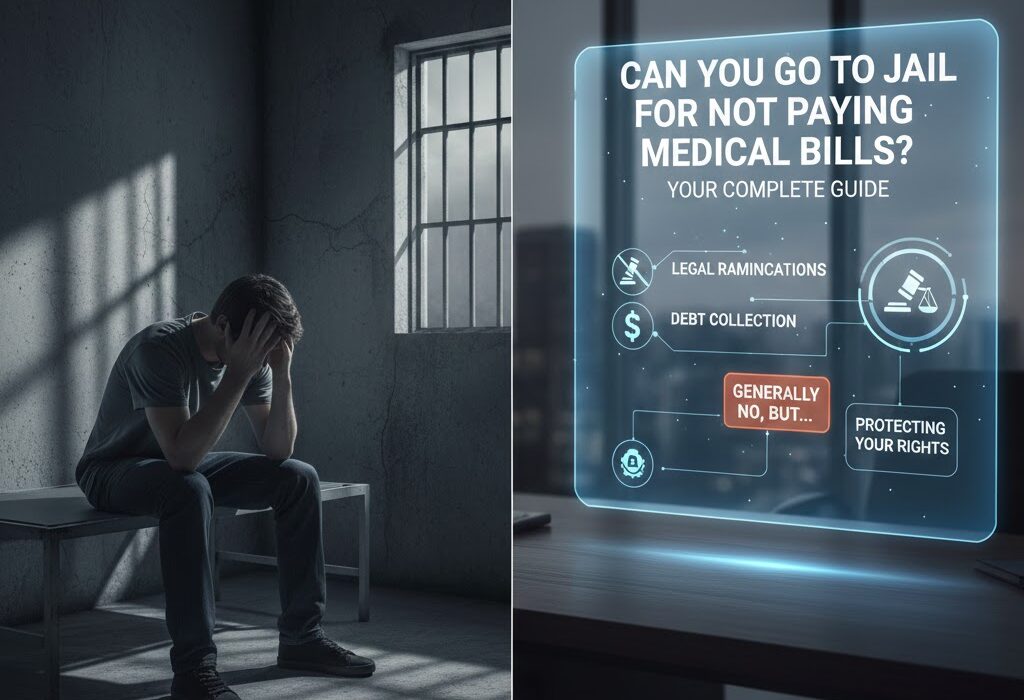
Medical debt is one of the most common financial stressors in the United States. Many people fear that failing to pay medical bills could land them in jail, especially with stories circulating online and calls from collection agencies adding pressure. But what’s the truth? Can you really go to jail for not paying medical bills?
Table of Contents
ToggleIn this article, we’ll break down how medical debt is treated legally, your rights as a patient, potential consequences, and strategies to protect yourself, giving you a clear, practical guide to managing unpaid bills without panicUnderstanding Medical Debt
Medical debt arises when healthcare services—such as hospital stays, surgeries, or emergency visits—are unpaid or partially unpaid. According to a 2024 Kaiser Family Foundation report, nearly 30% of Americans report difficulty paying medical bills each year.
Key points about medical debt:
- It is civil debt, not criminal debt.
- Hospitals or collection agencies can contact you, negotiate, or sue for unpaid balances.
- Failure to pay does not automatically result in jail time.
Medical bills can accumulate quickly, and understanding your rights early is essential to prevent stress and unnecessary legal trouble.
Civil vs. Criminal Debt: Why You Won’t Go to Jail
A critical distinction is between civil debt and criminal debt:
| Debt Type | Examples | Jail Risk |
|---|---|---|
| Civil Debt | Medical bills, credit cards, personal loans | No jail (collection through lawsuits only) |
| Criminal Debt | Fines, restitution, child support | Possible jail if unpaid |
Medical bills fall under civil debt. That means creditors can sue you to recover money, but you cannot be arrested just for not paying.
What Happens If You Don’t Pay Medical Bills
Even though jail isn’t an option for creditors, unpaid medical bills can still have consequences. These include:
1. Collection Calls and Letters
- Hospitals or third-party collection agencies may contact you repeatedly.
- They can report unpaid bills to credit bureaus, affecting your credit score.
2. Negotiation and Payment Plans
- Many providers offer financial assistance, discounted rates, or installment plans.
- Communicating early can prevent lawsuits and collections.
3. Civil Lawsuits
- If unpaid bills accumulate, your creditor may file a lawsuit in civil court.
- If the court rules in favor of the provider, they may pursue:
- Wage garnishment
- Bank account liens
- Property liens
Note: Even after a judgment, jail is not a consequence—this is still a civil process.
Exceptions and Misconceptions
While medical debt cannot send you to jail, a few rare situations can create legal issues:
- Fraud or False Information: Falsifying insurance documents or lying to avoid payment can be criminal.
- Ignoring Court Orders: If you ignore a court summons regarding your medical debt, the judge may hold you in contempt. Jail in this case is due to ignoring the court, not the debt itself.
These cases are uncommon and avoidable by responding to correspondence and cooperating with healthcare providers.
Protecting Yourself From Collection Actions
Here are practical steps to handle medical debt responsibly:
- Communicate Early: Call the hospital or provider if you anticipate payment difficulties.
- Negotiate: Ask for discounts, charity care, or reduced rates.
- Set Up Payment Plans: Spread payments over months to avoid lawsuits.
- Keep Records: Maintain copies of bills, letters, and payment receipts.
- Know Your Rights: The Fair Debt Collection Practices Act (FDCPA) protects against harassment.
Tip: Seeking guidance from a medical billing advocate or nonprofit credit counselor can also help you navigate negotiations.
FAQs About Medical Debt and Jail
1. Can unpaid medical bills get me arrested?
No. Medical debt is a civil issue. Creditors cannot arrest you for not paying.
2. Can creditors sue for unpaid medical bills?
Yes, they can file a civil lawsuit to recover money and potentially garnish wages after a judgment.
3. Will unpaid medical bills affect my credit score?
Yes. Collection accounts may be reported to credit bureaus, which can lower your credit score.
4. Can ignoring medical bills cause jail time?
Not directly. Only ignoring a court order related to a lawsuit could lead to contempt of court, which is rare.
5. Are there programs to help with medical bills?
Yes. Many hospitals offer charity care, financial assistance, or sliding-scale payment plans for qualifying patients.
6. Can medical debt be discharged in bankruptcy?
Typically, yes. Medical bills are considered dischargeable debts under Chapter 7 or Chapter 13 bankruptcy.
Summary and Next Steps
Bottom line: You cannot go to jail for not paying medical bills in the U.S. Medical debt is a civil matter, and while unpaid bills can affect credit and lead to lawsuits, jail is not a risk unless you commit fraud or ignore court orders.
Practical steps to protect yourself:
- Respond promptly to bills and notices.
- Explore payment plans and financial assistance programs.
- Keep detailed records of all communications.
- Consult a financial advisor, credit counselor, or medical billing advocate if needed.
By taking proactive steps, you can manage medical debt responsibly while protecting your finances and peace of mind.