




ECMISS: Transforming Healthcare Data Management in the Digital Age
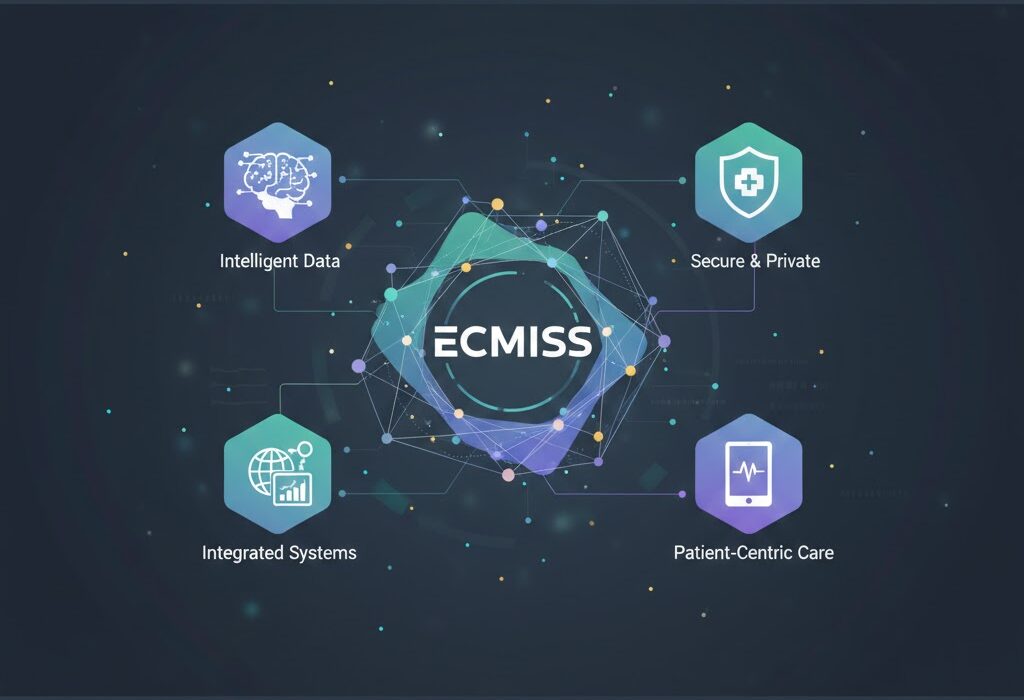
In today’s data-driven healthcare landscape, efficient, secure, and real-time information management is no longer optional—it’s mission-critical. Healthcare organizations are under constant pressure to improve patient outcomes, meet regulatory requirements, and operate more efficiently, all while handling massive volumes of sensitive data.
Table of Contents
ToggleECMISS (Electronic Clinical Management Information and Surveillance System) addresses these challenges head-on. Designed specifically for modern healthcare environments, ECMISS streamlines clinical data collection, analysis, and reporting—empowering providers to make faster, smarter, and safer decisions.
This guide explores what ECMISS is, why it matters, how it’s transforming healthcare data management, and what the future holds.
What Is ECMISS?
ECMISS, short for Electronic Clinical Management Information and Surveillance System, is an integrated digital platform built to manage clinical, administrative, and surveillance data within healthcare organizations.
At its core, ECMISS centralizes patient and operational data into a single, secure system, enabling:
- Real-time data capture from multiple sources
- Seamless access for clinicians, administrators, and decision-makers
- Improved data accuracy and consistency
- Faster reporting and regulatory compliance
Unlike fragmented legacy systems, ECMISS provides a unified view of healthcare data, reducing silos and improving collaboration across departments.
Key Capabilities of ECMISS
- Centralized clinical and operational data management
- Real-time monitoring and reporting
- Role-based access for enhanced security
- Interoperability with existing health IT systems
- Scalable architecture for growing organizations
Why Data Management Is Critical in Healthcare
Healthcare data management directly impacts patient safety, clinical outcomes, and organizational efficiency.
1. Improved Patient Care
Accurate, up-to-date data allows clinicians to:
- Make faster diagnoses
- Reduce medical errors
- Personalize treatment plans
2. Regulatory Compliance and Data Security
Healthcare organizations must comply with strict privacy regulations. Strong data management systems like ECMISS help:
- Protect sensitive patient information
- Reduce the risk of data breaches
- Maintain audit-ready records
3. Operational Efficiency
Well-structured data eliminates duplication and manual processes, saving time and resources across clinical and administrative teams.
4. Public Health and Research Support
Reliable datasets enable:
- Disease surveillance
- Trend analysis
- Evidence-based public health interventions
Core Features and Benefits of ECMISS
ECMISS is designed with both usability and performance in mind. Its features directly address the everyday challenges faced by healthcare facilities.
Key Features
- User-Friendly Interface
Minimal learning curve for clinical and administrative staff. - Real-Time Data Analytics
Immediate insights for faster, evidence-based decision-making. - Advanced Security Protocols
Encryption and access controls to safeguard patient data. - System Interoperability
Seamless integration with EHRs, lab systems, and reporting tools. - Customizable Reporting
Tailored dashboards and reports aligned with organizational goals.
Business and Clinical Benefits
| Benefit | Impact |
|---|---|
| Faster decision-making | Improved patient outcomes |
| Reduced data errors | Higher data reliability |
| Better coordination | Stronger team collaboration |
| Scalable system | Long-term cost efficiency |
Real-World Use Cases: ECMISS in Action
Healthcare organizations across diverse settings are seeing measurable improvements after implementing ECMISS.
Urban Hospital Network
A large metropolitan hospital reduced patient wait times by enabling instant access to centralized medical records. Clinicians reported improved workflow efficiency and fewer documentation delays.
Rural Healthcare Facility
By using ECMISS for immunization tracking, a rural clinic improved vaccination coverage reporting and quickly identified underserved populations.
Outpatient Care Center
An outpatient facility optimized appointment scheduling with ECMISS, reducing no-shows and eliminating double bookings—leading to higher patient satisfaction and better resource utilization.
ECMISS Implementation: Process and Common Challenges
Typical Implementation Steps
- System assessment and readiness analysis
- Data migration and system integration
- Staff training and onboarding
- Testing, validation, and go-live
Common Challenges—and How to Overcome Them
- Resistance to Change
→ Addressed through early stakeholder involvement and hands-on training. - Legacy System Integration
→ Managed with phased implementation and dedicated IT support. - Regulatory Compliance Concerns
→ Ensured through strict data governance and privacy controls.
With proper planning, ECMISS implementation can be smooth and highly impactful.
The Future of ECMISS in Healthcare
The evolution of ECMISS is closely tied to emerging digital health technologies.
What’s Next?
- AI-Powered Predictive Analytics
Early detection of disease trends and potential outbreaks. - Telehealth Integration
Unified patient records across in-person and virtual care. - Blockchain-Based Data Security
Enhanced trust, transparency, and data integrity. - Cross-Organization Data Sharing
Improved collaboration at regional and national healthcare levels.
As healthcare moves toward a more connected ecosystem, ECMISS is positioned to be a foundational platform.
The Future of Healthcare Data Management with ECMISS
ECMISS represents more than just a data management tool—it’s a strategic asset for healthcare organizations navigating digital transformation.
With real-time insights, scalable architecture, and advanced security, ECMISS enables healthcare providers to move from reactive care to proactive, data-driven decision-making.
As technology advances, ECMISS will continue to evolve—supporting smarter workflows, stronger compliance, and better patient experiences.
FAQs
1. What does ECMISS stand for?
ECMISS stands for Electronic Clinical Management Information and Surveillance System.
2. Is ECMISS only for large hospitals?
No. ECMISS is scalable and suitable for hospitals, clinics, outpatient centers, and public health organizations of all sizes.
3. How does ECMISS improve patient care?
By providing real-time, accurate data, ECMISS helps clinicians make faster, safer, and more informed decisions.
4. Can ECMISS integrate with existing EHR systems?
Yes. ECMISS is designed for interoperability and can integrate with most existing healthcare IT systems.
5. Is ECMISS secure and compliant?
ECMISS uses advanced encryption, access controls, and compliance frameworks to protect patient data and meet regulatory requirements.
6. How long does ECMISS implementation take?
Implementation timelines vary based on organization size and complexity, but phased rollouts typically ensure smooth adoption.
Conclusion:
Healthcare data is growing more complex and more valuable, by the day. ECMISS provides a future-ready solution that simplifies data management while enhancing care quality, security, and operational efficiency.
For healthcare organizations seeking to modernize their information systems, ECMISS is not just an upgrade—it’s a transformation.