






Legal Issues Every Property Owner Should Know
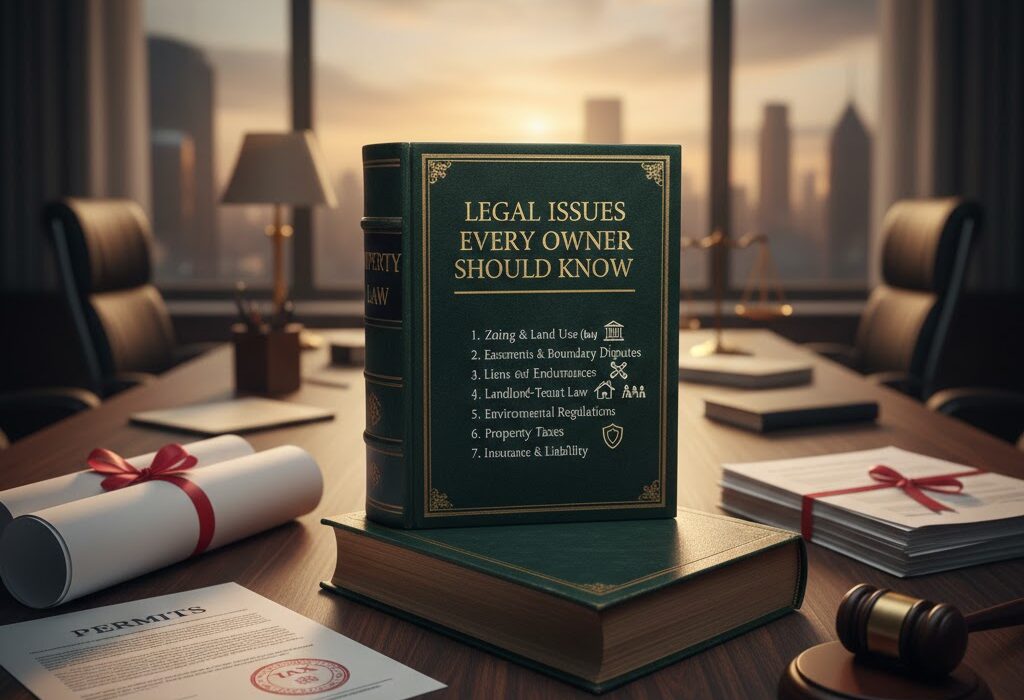
Owning property is one of the most valuable investments you can make, but it also comes with legal responsibilities that many owners underestimate. From title disputes to tenant conflicts and zoning violations, legal issues can quickly turn a profitable asset into a costly headache if you’re unprepared.
Table of Contents
ToggleThis guide is designed to help property owners understand the most common legal issues, reduce risk, and protect their investment. Whether you own residential, commercial, or rental property, these insights reflect real-world legal concerns property owners face today.
Understanding the Legal Responsibilities of Property Ownership
Property ownership is not just about rights—it also comes with legal duties enforced by local, state, and federal laws.
At a high level, property owners are responsible for:
- Maintaining safe and habitable conditions
- Complying with zoning and land-use laws
- Respecting tenant, neighbor, and public rights
- Paying property taxes and assessments
Failing to meet these obligations can lead to lawsuits, fines, or even loss of property rights.
Read More: Dihward: A Comprehensive Guide to Life, Culture, and Travel in a Unique Destination
Title and Ownership Issues
Unclear or Defective Property Title
A property title proves legal ownership. Problems arise when:
- Previous liens were not cleared
- Ownership history is incomplete
- Fraud or forgery exists in past transfers
Why it matters:
A defective title can prevent selling, refinancing, or developing the property.
Best practices:
- Conduct a professional title search before purchase
- Purchase title insurance
- Resolve discrepancies immediately through legal counsel
Boundary and Easement Disputes
Boundary disputes often occur when:
- Property lines are unclear
- Fences or structures cross boundaries
- Neighbors claim access rights (easements)
These disputes can escalate quickly and may require surveys or court intervention.
Tip:
Always review the property survey and recorded easements before making improvements.
Landlord-Tenant Legal Issues
Lease Agreements and Contract Disputes
A poorly written lease is one of the biggest legal risks for rental property owners.
Common problems include:
- Vague rent, maintenance, or termination clauses
- Illegal lease terms
- Disputes over security deposits
Solution:
Use legally compliant, state-specific lease agreements and document all tenant communications.
Evictions and Tenant Rights
Evictions are highly regulated and vary by jurisdiction. Illegal eviction practices—such as shutting off utilities or changing locks—can result in severe penalties.
Property owners must:
- Follow proper notice requirements
- Have legally valid grounds for eviction
- Respect tenant habitability rights
Zoning, Land Use, and Regulatory Compliance
Zoning Laws and Permitted Use
Zoning laws control:
- Residential vs. commercial use
- Building height and density
- Home-based businesses and short-term rentals
Violating zoning rules can lead to fines or forced removal of structures.
Always verify zoning compliance before:
- Renovations
- Changing property use
- Listing short-term rentals
Building Codes and Permit Requirements
Unpermitted construction is a major legal risk.
Potential consequences include:
- Fines and stop-work orders
- Difficulty selling the property
- Increased liability in case of injury
Property Liability and Personal Injury Risks
Premises Liability
Property owners can be held liable for injuries caused by:
- Slippery walkways
- Poor lighting
- Structural hazards
This applies to tenants, guests, and sometimes trespassers.
Risk reduction strategies:
- Regular inspections
- Prompt repairs
- Adequate liability insurance
Environmental and Hazardous Issues
Environmental liabilities may involve:
- Mold and asbestos
- Lead paint (especially in older homes)
- Soil or groundwater contamination
Some environmental obligations apply even if the owner did not cause the issue.
Property Taxes and Financial Legal Issues
Property Tax Disputes and Assessments
Incorrect property tax assessments can significantly impact profitability.
Owners should:
- Review assessments annually
- Appeal inaccurate valuations
- Pay taxes on time to avoid liens
Liens, Foreclosures, and Debt Risks
Unpaid debts may result in:
- Tax liens
- Contractor liens
- Foreclosure proceedings
Understanding lien priority is critical, especially for investment properties.
When Property Owners Should Consult a Lawyer
You should seek legal advice when:
- Buying or selling property
- Facing eviction or tenant lawsuits
- Handling boundary or title disputes
- Responding to government violations
- Drafting or enforcing contracts
Early legal guidance often costs far less than resolving a dispute after it escalates.
Key Legal Issues at a Glance
| Legal Area | Common Risk | Prevention Strategy |
|---|---|---|
| Title | Ownership disputes | Title search & insurance |
| Tenants | Lease violations | Legally reviewed lease |
| Zoning | Illegal property use | Zoning verification |
| Liability | Injury claims | Maintenance & insurance |
| Taxes | Overassessment | Annual tax review |
Frequently Asked Questions (FAQs)
1. What is the most common legal issue property owners face?
Lease disputes and habitability claims are among the most frequent legal problems, especially for rental property owners.
2. Can a property owner be sued for accidents on their property?
Yes. Property owners can be held liable under premises liability laws if negligence contributed to the injury.
3. Do I need a lawyer to evict a tenant?
Not always, but legal guidance is strongly recommended to ensure compliance with local eviction laws.
4. What happens if I violate zoning laws?
You may face fines, legal action, or be required to undo unauthorized changes.
5. How can I avoid title issues when buying property?
Conduct a title search and purchase title insurance before closing.
6. Are property owners responsible for environmental issues?
In many cases, yes—even if the issue existed before ownership.
Final Thoughts: Protect Your Property and Your Peace of Mind
Property ownership offers long-term financial benefits, but only when legal risks are properly managed. Understanding common legal issues—from tenant laws to zoning compliance—helps you make informed decisions and avoid costly disputes.