






Understanding Ounces to Pounds: A Simple, Practical Guide
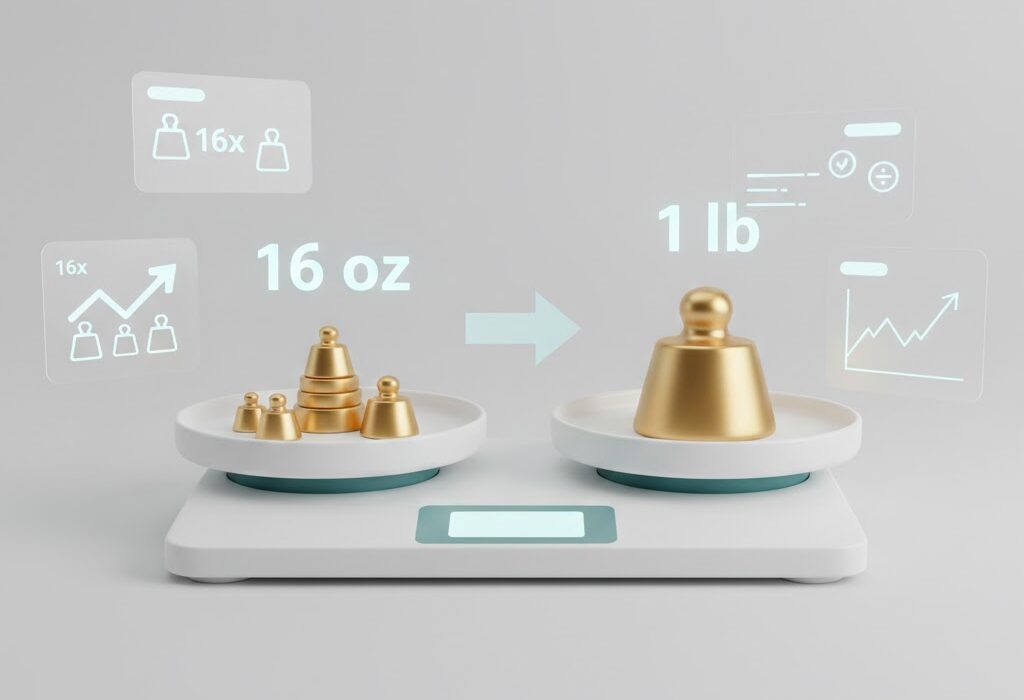
Converting ounces to pounds is a common task—whether you’re following a recipe, calculating shipping weight, tracking fitness progress, or handling everyday measurements. While it may sound technical, the conversion is actually very straightforward once you understand the relationship between the two units.
Table of Contents
ToggleThis guide explains the ounces-to-pounds conversion clearly, provides easy formulas, helpful examples, and a quick reference table—all designed for fast, accurate use.
Read More: The Science Behind Candizi: What Research Tells Us
Ounces vs. Pounds: The Basic Relationship
In the U.S. customary and imperial measurement systems:
- 1 pound (lb) = 16 ounces (oz)
- 1 ounce (oz) = 0.0625 pounds (lb)
This fixed relationship makes conversions simple and consistent across everyday use cases like cooking, shipping, and weight tracking.
How to Convert Ounces to Pounds
The Formula
To convert ounces to pounds:
Ounces ÷ 16 = Pounds
or
Ounces × 0.0625 = Pounds
Example
If an item weighs 8 ounces:
- 8 ÷ 16 = 0.5 pounds
- 8 × 0.0625 = 0.5 pounds
Both methods give the same result.
How to Convert Pounds to Ounces
The Formula
To convert pounds to ounces:
Pounds × 16 = Ounces
Example
If something weighs 2 pounds:
- 2 × 16 = 32 ounces
This conversion is especially useful for recipes, portion control, and shipping calculations.
Common Ounces to Pounds Conversion Table
For quick reference, here are some of the most commonly used conversions:
| Ounces (oz) | Pounds (lb) |
|---|---|
| 1 oz | 0.0625 lb |
| 4 oz | 0.25 lb |
| 8 oz | 0.5 lb |
| 12 oz | 0.75 lb |
| 16 oz | 1 lb |
Tip: Once you remember that 16 ounces equal 1 pound, most conversions become intuitive.
When Do You Need Ounces to Pounds Conversions?
Understanding this conversion is useful in many everyday situations, including:
- Cooking and baking: Scaling recipes accurately
- Shipping and postage: Calculating package weights
- Fitness and nutrition: Tracking food portions and body weight changes
- Retail and logistics: Pricing and inventory management
Because ounces and pounds are both widely used, especially in the U.S., mastering this conversion saves time and prevents errors.
A Brief Note on Measurement Standards
Ounces and pounds have been used for centuries, but modern definitions were standardized internationally in the mid-20th century. Since then, countries using the imperial or U.S. customary systems—including the United States, Canada (in limited contexts), and the UK—apply the same consistent values.
Frequently Asked Questions
How many ounces are in a pound?
There are 16 ounces in 1 pound.
How do you convert ounces to pounds quickly?
Divide the number of ounces by 16 or multiply by 0.0625.
Is 8 ounces equal to half a pound?
Yes. 8 ounces = 0.5 pounds.
Are ounces and pounds used worldwide?
They are primarily used in the U.S. customary and imperial systems, not the metric system.
Why is it important to convert ounces to pounds accurately?
Accurate conversions prevent mistakes in cooking, shipping costs, fitness tracking, and product labeling.
Conclusion:
Converting ounces to pounds doesn’t need to be confusing. By remembering that 16 ounces equal 1 pound, you can quickly and confidently handle weight conversions in everyday situations. Whether you’re measuring ingredients, calculating shipping fees, or tracking nutrition, this simple relationship keeps things accurate and stress-free.
Visit and Learn more: RCM Elevate