





Video&A: How to Use Video to Enhance Your Blog Posts
In a digital environment where attention spans are shrinking and competition is rising, bloggers can no longer rely on text alone to capture and hold interest. Visual content has become essential—and Video&A is one of the most effective ways to elevate modern blog posts.
Table of Contents
ToggleVideo&A combines video storytelling with traditional written content, transforming static articles into immersive, multi-sensory experiences. When used strategically, it increases engagement, improves SEO performance, and helps your content resonate with a broader audience.
This guide explains what Video&A is, why it matters for blogging success, and how to implement it effectively—without sacrificing clarity, performance, or user experience.
What Is Video&A?
A Hybrid Approach to Modern Blogging
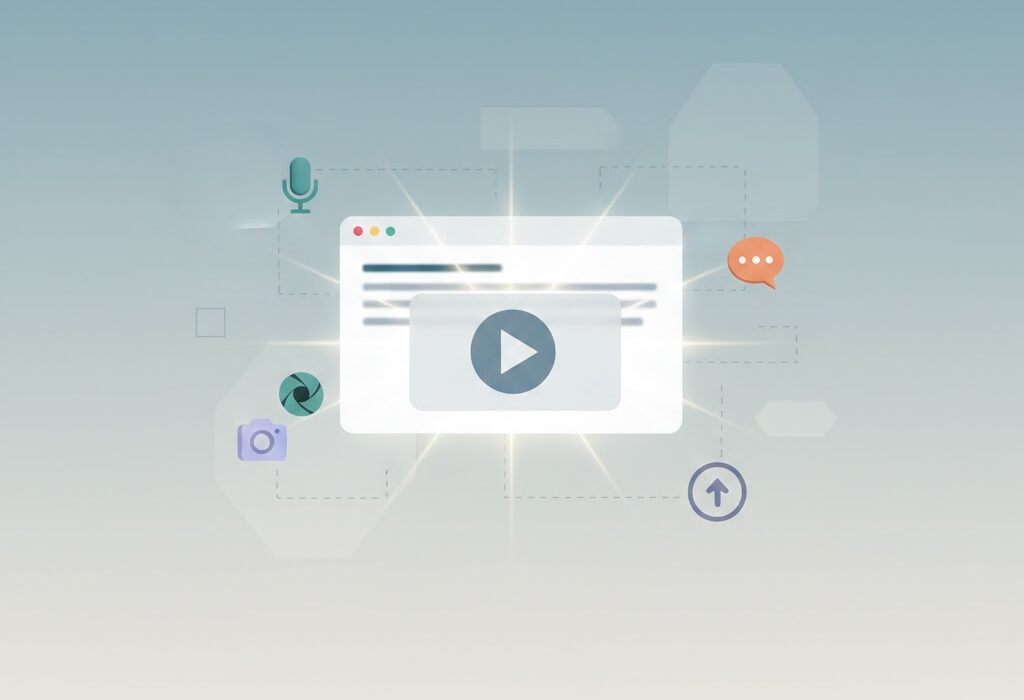
Video&A is a content format that integrates relevant video content directly into blog posts, enhancing the written narrative rather than replacing it.
Instead of treating video as a separate asset, Video&A weaves visuals, audio, and text into a single, cohesive experience.
At its core, Video&A:
- Adds context and depth to written content
- Supports multiple learning styles
- Encourages longer on-page engagement
- Improves content accessibility and clarity
Examples include:
- Tutorial videos embedded within step-by-step guides
- Interviews paired with written analysis
- Product demonstrations alongside reviews
- Explainer videos supporting complex concepts
The result is a blog post that teaches, shows, and tells—all at once.
Why Video&A Matters for Blog Performance
Key Benefits of Adding Video to Blog Posts
Incorporating video into blog content delivers measurable advantages for both users and search engines.
Primary benefits include:
- Higher engagement rates
Videos capture attention faster than text and encourage visitors to stay longer. - Improved comprehension and retention
Visual explanations make complex topics easier to understand and remember. - Stronger emotional connection
Video adds tone, personality, and authenticity that text alone often lacks. - SEO and visibility gains
Search engines favor rich media, increasing your chances of ranking and appearing in AI-generated answers. - Broader audience reach
Video appeals to users who prefer visual learning over long-form reading.
Video&A isn’t just a design upgrade—it’s a performance strategy.
Choosing the Right Type of Video for Your Blog Content
Matching Video Format to Search Intent
Not all videos serve the same purpose. The effectiveness of Video&A depends on choosing formats that align with your content goal and audience expectations.
Common Video&A formats include:
| Content Goal | Best Video Type |
|---|---|
| Teach a process | Tutorials / How-to videos |
| Explain concepts | Explainer or animated videos |
| Build trust | Interviews or talking-head videos |
| Increase engagement | Short clips or highlight reels |
| Foster interaction | Live streams or Q&A sessions |
When video reinforces the written content—rather than distracting from it—it strengthens the overall message.
How to Create Engaging, High-Quality Videos
Practical Tips for Better Video&A Content
High-quality video doesn’t require a massive budget—but it does require intention.
Best practices include:
- Plan before recording
Outline key points to keep the video focused and valuable. - Prioritize audio quality
Clear sound matters more than perfect visuals. - Use proper lighting
Natural light or softbox lighting instantly improves professionalism. - Keep videos concise
Aim for 1–3 minutes unless depth truly demands more. - Edit with purpose
Remove dead space, add captions, and reinforce key takeaways visually. - Tell a story
Even educational videos perform better when structured with a beginning, middle, and end.
Quality Video&A content feels intentional—not rushed or filler.
Video SEO Strategies That Actually Work
Optimizing Video&A for Search and AI Results
To maximize discoverability, Video&A content must be optimized just like written content.
Essential Video SEO tactics:
- Use primary keywords in video titles and descriptions
- Add video transcripts to improve indexing and accessibility
- Choose compelling, accurate thumbnail images
- Host videos on platforms like YouTube or Vimeo, then embed them
- Encourage engagement through comments, likes, and shares
Search engines use these signals to understand relevance—especially in AI-powered search experiences.
How to Promote Video-Enhanced Blog Posts
Amplifying Reach Across Channels
Creating Video&A content is only half the equation. Promotion determines impact.
Effective promotion strategies:
- Share video snippets on social media as teasers
- Feature Video&A posts in email newsletters
- Post in relevant communities, forums, and groups
- Collaborate with creators or bloggers in your niche
- Optimize captions and descriptions for search visibility
Each channel extends the lifespan and reach of your content.
Measuring the Success of Video&A Content
Metrics That Actually Matter
Tracking performance ensures your Video&A strategy improves over time.
Key metrics to monitor:
- Video views and watch time
- Audience retention rates
- Engagement (likes, comments, shares)
- Traffic driven to blog posts
- Conversion or action completion
Tools like Google Analytics, YouTube Analytics, and heatmaps can reveal how video influences user behavior—and where improvements are needed.
Why Video&A Is the Future of Blogging
More Than a Trend—A Standard
Video&A reflects how people consume information today.
It:
- Aligns with AI-driven search experiences
- Supports accessibility and inclusivity
- Encourages deeper engagement
- Differentiates content in crowded SERPs
Blogs that integrate video thoughtfully aren’t just more engaging—they’re more future-proof.
Final Thoughts: Elevate Your Blog With Video&A
Video&A transforms blog posts from static articles into interactive, high-performing content experiences.
By combining strong writing with purposeful video:
- Readers stay longer
- Search engines respond more favorably
- Content performs better across platforms
If you want to improve engagement, SEO visibility, and user satisfaction, Video&A is no longer optional—it’s essential.
Start small. Stay intentional. Measure results.
That’s how Video&A turns good blogs into great ones.
FAQs:
What is Video&A in blogging?
Video&A is a content strategy that integrates relevant video directly into blog posts to enhance engagement, clarity, and SEO performance.
Does adding video improve blog SEO?
Yes. Video can increase dwell time, reduce bounce rates, and help content rank higher—especially when optimized correctly.
What type of video works best for blog posts?
Tutorials, explainers, interviews, and short clips work best when they support the written content and match user intent.
Where should I host videos for Video&A?
Platforms like YouTube or Vimeo are ideal for hosting, with videos embedded directly into blog posts.
How long should blog videos be?
Most effective blog videos are between 1 and 3 minutes, unless the topic requires deeper explanation.
Is Video&A suitable for all niches?
Yes. From education and marketing to tech and lifestyle, Video&A can be adapted to nearly any industry.