





What Does a Prolapsed Bladder Look Like?
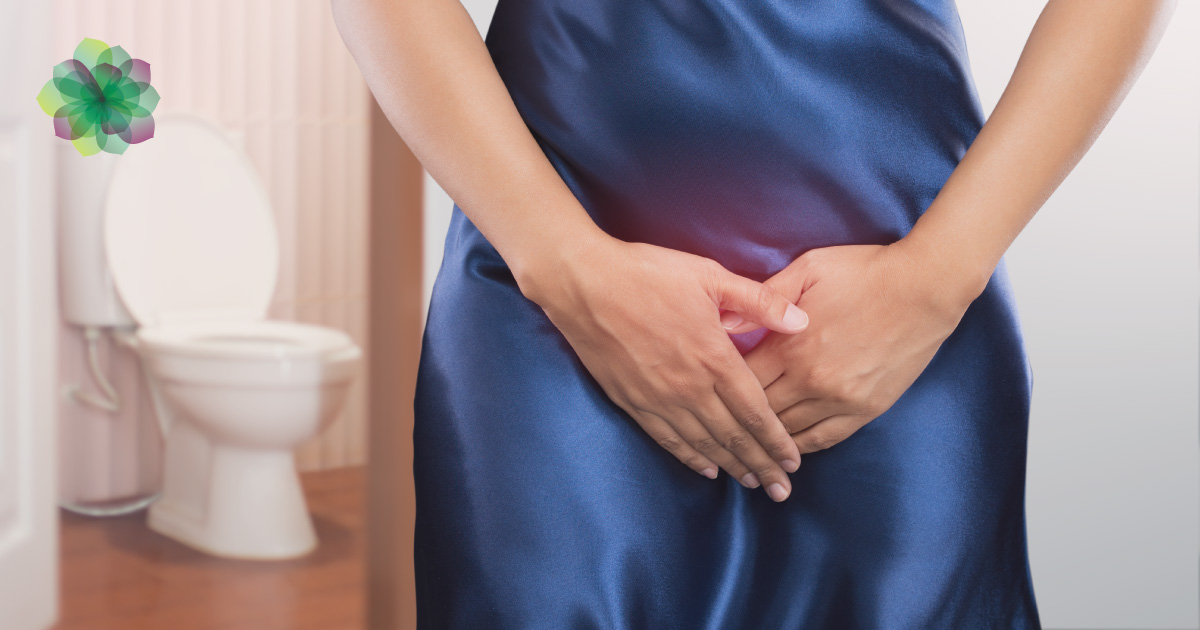
A prolapsed bladder—also called cystocele or anterior vaginal wall prolapse—can be alarming when you first notice changes in your body. Many people search this topic because they’re experiencing unusual vaginal bulging, pressure, or urinary symptoms and want to understand what a prolapsed bladder actually looks and feels like.
Table of Contents
ToggleThis guide explains the visual appearance, physical signs, stages, and when to seek medical care—using clear, respectful, and medically accurate language.
Understanding a Prolapsed Bladder (Cystocele)
A prolapsed bladder occurs when the supportive muscles and connective tissues between the bladder and vagina weaken, allowing the bladder to drop and press into the vaginal wall.
This condition is common, especially after:
- Vaginal childbirth
- Menopause and estrogen loss
- Chronic coughing or constipation
- Heavy lifting
- Pelvic surgery
What Does a Prolapsed Bladder Look Like Visually?
Mild Prolapsed Bladder (Early Stage)
In early stages, a prolapsed bladder may not be visible externally.
You might notice:
- A slight bulge inside the vagina
- A feeling of vaginal fullness
- No obvious change when looking with a mirror
At this stage, symptoms are often mild or intermittent.
Moderate Prolapsed Bladder
As the prolapse progresses, visible changes become more noticeable.
What it can look like:
- A soft, rounded bulge inside the vaginal opening
- Tissue that appears pink or flesh-colored
- A bulge that becomes more noticeable when standing, coughing, or straining
Some people describe it as:
- “A tampon stuck sideways”
- “A small ball inside the vagina”
Severe Prolapsed Bladder (Advanced Cystocele)
In more advanced cases, the bladder may protrude outside the vaginal opening.
Visible signs include:
- A noticeable bulge or mass at the vaginal opening
- Tissue that may appear swollen or irritated
- Possible redness or dryness from friction
At this stage, symptoms are usually significant and persistent.
Prolapsed Bladder Appearance by Stage
| Stage | Visual Appearance | Common Symptoms |
|---|---|---|
| Mild (Grade 1) | Not visible externally | Mild pressure, urinary urgency |
| Moderate (Grade 2) | Bulge reaches vaginal opening | Difficulty emptying bladder, discomfort |
| Severe (Grade 3–4) | Bulge protrudes outside vagina | Pain, recurrent UTIs, tissue irritation |
How a Prolapsed Bladder Feels (Not Just Looks)
Many people notice symptoms before seeing a physical bulge.
Common sensations include:
- Pelvic pressure or heaviness
- Feeling like something is “falling out”
- Urinary leakage or incomplete bladder emptying
- Increased discomfort after standing all day
Related: What Does “Mia” Mean? Understanding Bulimia Nervosa, Symptoms, and Treatment
Can You See a Prolapsed Bladder at Home?
Some people notice it using a mirror while:
- Standing
- Squatting
- Bearing down gently
However, self-examination cannot confirm severity or diagnosis. A healthcare provider can accurately assess the prolapse through a pelvic exam.
When to See a Doctor
Seek medical advice if you experience:
- A visible vaginal bulge
- Ongoing pelvic pressure or discomfort
- Difficulty urinating or frequent UTIs
- Pain or interference with daily activities
Early evaluation can prevent progression and expand treatment options.
Treatment Options
Treatment depends on severity and symptoms:
- Pelvic floor physical therapy
- Pessary devices for support
- Lifestyle changes (weight management, constipation relief)
- Surgical repair (for severe or persistent cases)
A personalized plan is always recommended.
Frequently Asked Questions
What does a prolapsed bladder look like to the naked eye?
It often appears as a soft bulge inside or at the opening of the vagina. In severe cases, it may protrude externally.
Can a prolapsed bladder look like a lump?
Yes. Many people describe it as a lump, ball, or swelling in the vaginal area.
Is a prolapsed bladder always visible?
No. Mild cases may not be visible and are only noticeable by symptoms like pressure or urinary changes.
Can a prolapsed bladder go away on its own?
It usually does not fully reverse on its own, but symptoms can improve with pelvic floor therapy and lifestyle changes.
Is a prolapsed bladder dangerous?
It’s not life-threatening, but untreated prolapse can worsen symptoms and affect quality of life.
Key Takeaway
A prolapsed bladder typically looks like a soft bulge or swelling in the vaginal wall, ranging from subtle internal changes to visible protrusion in advanced stages. While the appearance can be concerning, cystocele is a common and treatable condition. Early recognition and professional evaluation make a significant difference in outcomes.